

Every child deserves a place to belong.
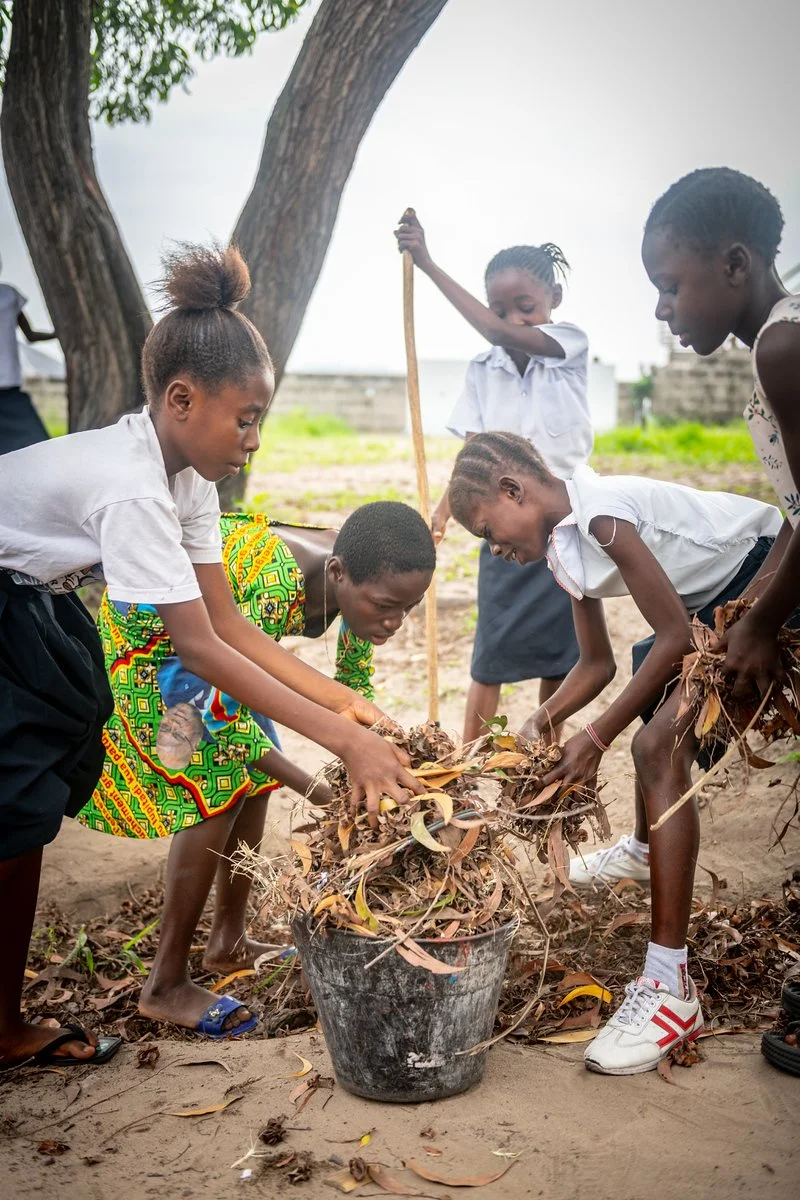

We help young people learn by doing, observing, researching, analyzing, and participating in community service and reflection to become leaders in their community.


Spring 2026 Newsletter - The Malembe Connection
Malembe Rise's Club of Leaders (CoL) in the DRC engages youth in hands-on learning about nutrition, agriculture, and community needs. Students surveyed neighbors about food habits and found that 100% of families lacked enough food. The club also led projects like building benches and hygienic toilets, working closely with the community and local leaders. Their efforts promote leadership, collaboration, and sustainability. The organization celebrated International Women’s Day, emphasizing education and self-sufficiency. Malembe Rise’s board and country directors support these initiatives to empower youth and foster sustainable development in the community. Click below for the full newsletter!
Applied Research: The Club of Leaders

Malembe Rise has been serving the Democratic Republic of Congo for twenty years. The Club of Leaders is a purposeful and unique, interactive model that has been researched, analyzed, and refined over the years.
There is broad support for The Club of Leaders in the DRC. Your support has helped us adapt and translate more than ten years of curriculum research into an applied model that is experiencing rapid growth. Since no other organization in Kinshasa has a youth program like the Club of Leaders, we are experiencing enthusiastic acceptance among our Kinshasa stakeholders.
Malembe Rise intentionally aligns the Club of Leaders model to integrate with the national curriculum. Focusing on interventions that support the three programmatic pillars: equitable access in safe and protective learning environments; retention of conflict-affected children in basic education; and, provision of minimum quality education in crises.
Unlock potential. Create opportunity. Make a difference.
Your gift helps provide educational support essential to children and families made vulnerable by the conflict.